
 Jonesborough, Jefferson City, and Greeneville, TN
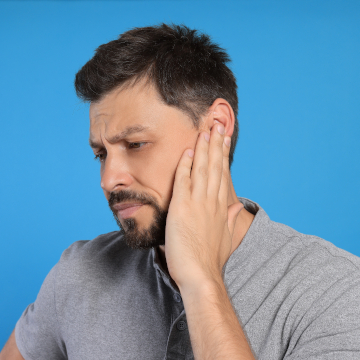
Dealing with ongoing ear pain, ringing, or a plugged sensation can be exhausting—especially when medical tests keep coming back normal. Many patients spend months or even years visiting specialists, only to be told their ears are perfectly healthy.
What many don’t realize is that ear discomfort is often linked to TMJ disorder (temporomandibular joint dysfunction). Because the jaw joint sits extremely close to the ear and shares nerves and muscles, problems with jaw alignment can easily mimic ear-related conditions.
At Tusculum Dental Care (423) 639-4176 serving Jonesborough, Jefferson City, and Greeneville, TN, patients receive advanced TMJ treatment focused on identifying the true source of symptoms and providing long-term relief.
Why Ear Pain Isn’t Always an Ear Problem
It’s natural to assume ear pain is caused by infection, wax buildup, or inner ear issues. However, the body is highly interconnected, and pain is not always felt at its source.
Once an ENT specialist confirms your ears are healthy, it’s important to look at nearby structures—especially the jaw. A large number of unexplained ear symptoms are actually caused by jaw misalignment and cranio-cervical dysfunction, where the jaw and neck are not properly positioned.
Common Ear Symptoms Caused by TMJ Disorders
TMJ dysfunction doesn’t always present as jaw pain. In many cases, patients experience symptoms that feel entirely ear-related.
These may include:
- Tinnitus (ringing, buzzing, or humming sounds)
- A feeling of fullness or pressure in the ears
- Dizziness or vertigo affecting balance
- Sharp or lingering ear pain without infection
Because the temporomandibular joint is located directly in front of the ear canal, even minor dysfunction can affect surrounding structures and create these sensations.
The Close Relationship Between the Jaw and Ear
To understand why TMJ issues can impact hearing and ear comfort, it helps to look at the anatomy of the area.
The jaw joint and ear share important structures, including:
- Trigeminal nerve: A major nerve that supplies both jaw muscles and parts of the ear
- Eustachian tube function: Jaw muscle tension can interfere with pressure regulation in the ear
- Ligament connections: Small ligaments link the jaw joint to the middle ear
When the jaw is out of alignment, it can create pressure, restrict movement, and disrupt normal ear function—leading to symptoms that feel like an ear problem but aren’t.
How Jaw Misalignment Triggers Ear Issues
When the bite is off, the jaw may shift out of its natural position.
This can:
- Put pressure on nearby ear structures
- Affect nerve signaling between the jaw and ear
- Disrupt normal airflow and pressure in the ear canal
Over time, this leads to persistent symptoms that don’t respond to traditional ear treatments because the underlying cause hasn’t been addressed.
Advanced TMJ Diagnosis: Finding the Real Problem
Effective TMJ treatment starts with accurate diagnosis. Identifying the connection between jaw alignment and ear symptoms requires more than a basic exam.
Advanced evaluation methods may include:
- Jaw tracking technology to analyze movement patterns
- Muscle relaxation techniques to find the jaw’s natural resting position
- 3D imaging to assess joint position and proximity to the ear canal
This comprehensive approach ensures that treatment targets the root cause—not just temporary symptom relief.
Long-Term Solutions for TMJ-Related Ear Pain
If your ear symptoms are caused by TMJ dysfunction, lasting relief depends on correcting jaw alignment and reducing strain on surrounding structures.
- Custom TMJ Orthotics – A custom oral appliance helps guide the jaw into a healthier position, reducing pressure on the joint and nearby ear structures.
- Neuromuscular Dentistry – This approach focuses on restoring balance between the jaw, muscles, and nerves to eliminate tension and improve function.
Phased Treatment for Lasting Results
- Initial stabilization: Relieves muscle strain and reduces symptoms
- Decompression: Restores proper spacing near the ear
- Long-term correction: Maintains alignment through orthodontics or restorative care if needed
Frequently Asked Questions About TMJ and Ear Symptoms
- Can TMJ cause hearing problems?
- Yes, jaw misalignment can affect structures near the ear and may contribute to changes in hearing or sound perception.
- Why do my ears pop when I chew or yawn?
- This can be related to jaw movement affecting the Eustachian tube and pressure regulation.
- Why didn’t my ENT find anything wrong?
- TMJ disorders are not ear conditions, so they may not appear during standard ear exams.
- Does stress make TMJ ear symptoms worse?
- Absolutely. Stress often leads to jaw clenching or grinding, which increases pressure on the joint and surrounding areas.
When to Seek TMJ Treatment
If you’ve been told your ears are healthy but still experience symptoms, it may be time to explore TMJ treatment.
Look for these signs:
- Ongoing ear pain with no medical explanation
- Ringing or pressure that doesn’t go away
- Jaw discomfort, clicking, or tightness
- Headaches or facial tension
Addressing the issue early can prevent symptoms from becoming more severe or chronic.
Get Relief from Ear Pain Caused by TMJ
You don’t have to keep searching for answers when your symptoms persist. Ear pain without a clear diagnosis is often linked to TMJ dysfunction—and treating the jaw can bring the relief you’ve been missing.
At Tusculum Dental Care (423) 639-4176 serving Jonesborough, Jefferson City, and Greeneville, TN, our team focuses on identifying the underlying cause of your discomfort and creating a personalized plan for lasting results.
If you’re ready to stop living with unexplained ear symptoms, TMJ treatment could be the solution that finally brings clarity—and relief.